Zelda: Ocarina of Time Remake Hits Switch 2 on November 5
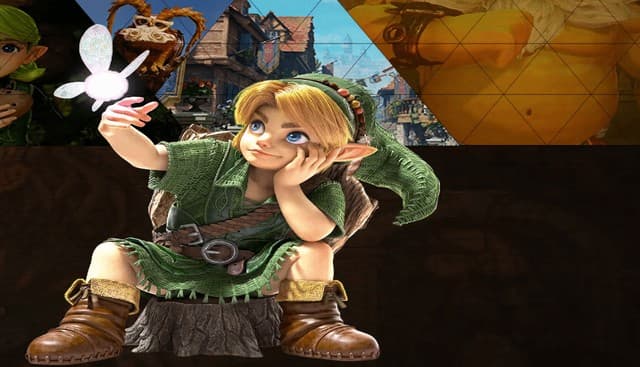

Nintendo announced The Legend of Zelda: Ocarina of Time (ゼルダの伝説 時のオカリナ) Remake during a special Nintendo Direct celebrating the 40th anniversary of the Zelda series. The title is scheduled to launch on November 5, 2026 for Nintendo Switch 2, and the official website went live alongside the announcement with a large batch of new screenshots. According to details published on the official site, this project is not a simple high-definition remaster. It is described instead as a deep reconstruction built around Switch 2 hardware capabilities, with the newly released images offering a first look at the refreshed presentation.
The official website explains that the remake goes well beyond a straightforward visual upgrade. Environment details, character models, and material textures are all being completely redone, supported by an entirely new rendering system designed around what Switch 2 hardware can deliver. The screenshots released with the announcement showcase the results across a range of scenes, reflecting the level of detail planned for the project. The site also makes clear that this extensive visual overhaul is intended to run alongside preservation of the original experience rather than replacing it.

According to the official information, the remake fully retains the original’s classic gameplay mechanics and core progression flow. Modern improvements have been added to fit current play habits, including dedicated jump and dash buttons, free camera control via the right analog stick, and motion-controlled aiming. Cutscenes have also been fully voiced, and the soundtrack has been re-recorded by a symphony orchestra. These adjustments aim to make the N64-era classic feel more comfortable for today’s players while keeping its established structure recognizable.

The official website presents deep reconstruction and preserved original mechanics side by side, treating both as central pillars of the project. The practical result is that Link can now jump manually, and Navi has a voice in the fully voiced scenes — changes that would have been unthinkable in the original N64 release. Whether such modernizations alter the operational soul of this N64 masterpiece is a question the remake itself raises. For longtime fans, that discussion may prove as engaging as the game itself.