AI Demand Sends Used GPU Prices Soaring as New Cards Hit $10,000

A six-week price tracking study of the used graphics card market in the United States has found that second-hand GPUs are now the fastest-rising category among all hardware segments monitored. The survey, conducted by TweakTown, followed daily listings on a major US online marketplace from August 7 to September 19, covering 55 graphics card models with recorded sales. Across that period, the used GPU category rose 5.7 percent overall, the largest increase among the 88 categories tracked. The findings point to broader pressure in the PC hardware market, where demand from AI workloads is reshaping availability and pricing for ordinary consumers.
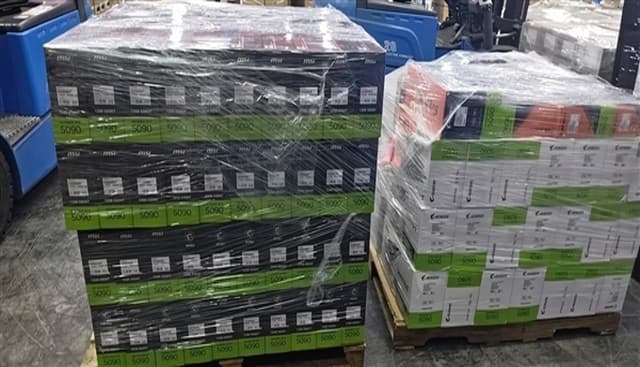
According to the tracking data, the unrest in the second-hand market is closely tied to the state of the new graphics card market. Average prices for new GPUs currently sit around 28 percent above their manufacturer suggested retail prices. NVIDIA’s RTX 5090 has been the most extreme example, climbing above $10,000 (~¥71,000), several times its original launch price. That gap has left many buyers searching for alternatives, and the used market, previously the most practical fallback for budget-conscious gamers, is now tightening as well.

Demand for AI compute power is identified as the primary driver behind the shortage. Large numbers of RTX 5090 cards are reportedly being purchased for AI server deployments, leaving severely limited stock available to flow into gaming retail channels. For most consumers, a new high-end graphics card has become an unrealistic purchase, and the second-hand route that once offered relief is narrowing alongside it. The squeeze is not limited to flagship models, as the tracking covered 55 card variants, suggesting that upward price pressure has spread across a wide range of hardware options.

Risk is also rising for anyone shopping used. Many cards may have seen intensive mining or AI training workloads before being resold, and problems such as worn cooling fan blades and inductor coil whine are often concealed by sellers. More troubling, “empty shell” cards, boards with the core GPU chip removed, have already appeared on the market. Enthusiasts are advised to carefully verify the completeness of the components on a card’s PCB before purchasing. The AI compute race is now being felt all the way from data centers down to the consumer graphics card market, and for gamers hoping to upgrade, caution is clearly warranted.