Game Industry Escalates Fight to Label Voices38 as Piracy Threat
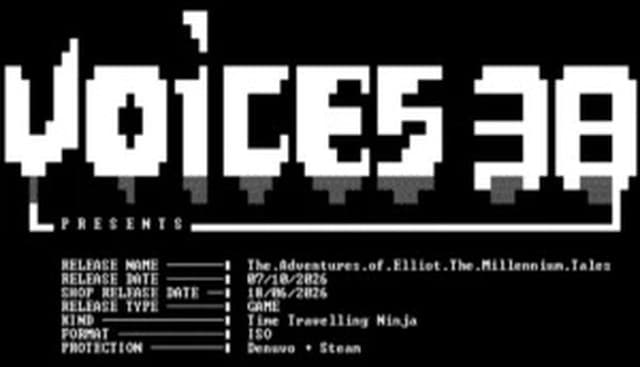

The gaming industry’s campaign against anonymous DRM cracker Voices38 is intensifying. Following a September 2026 DMCA lawsuit filed by Irdeto, the parent company of Denuvo, in the U.S. District Court for the Northern District of California, related industry organizations have now asked the U.S. Trade Representative to designate Voices38 as a “notorious market” or a similar piracy threat target. The move is not a criminal conviction but an effort to apply pressure through the U.S. trade policy framework.
According to the source, the request aims to use U.S. trade policy to pressure the platforms, communities, and payment channels that distribute pirated content. Rather than pursuing direct criminal charges, the strategy focuses on making it harder for such operations to function and monetize. If Voices38 is formally added to a notorious market list, platform removals, account bans, and payment tracking could tighten further. The approach reflects a broader shift toward leveraging trade policy against piracy networks.

Over the past year, Voices38 has reportedly cracked multiple games protected by Denuvo Anti-Tamper, including Black Myth: Wukong, Hogwarts Legacy, Resident Evil: Requiem, and DOOM: The Dark Ages. The group reportedly relies on traditional reverse-engineering methods to remove or bypass DRM, which lowers the barrier for cracked content to spread. Irdeto had previously requested a court order seeking account information from major online platforms in an attempt to identify the anonymous figure behind the releases.
After the lawsuit became public, Voices38 went quiet for a time before releasing cracks for new titles such as Atomic Heart. The source notes that because Voices38 remains anonymous, actual enforcement could still prove difficult if the individual operates outside U.S. jurisdiction. How aggressively trade policy can be applied to an unidentified target remains an open question, and the outcome may shape future anti-piracy tactics. This is a developing story worth following for anyone tracking the DRM debate.