The Witcher 3 Director Criticizes Bloated Open Worlds, Prefers Compact Narratives
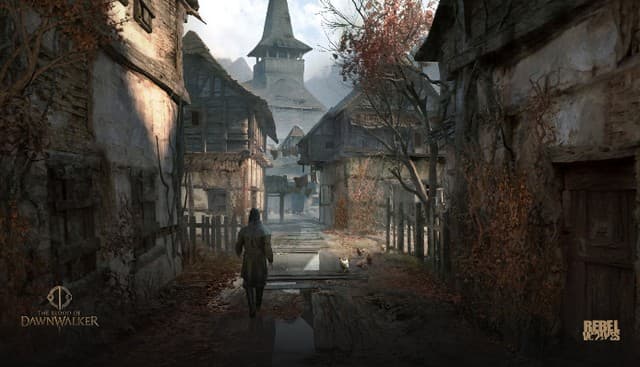

Matuesz Tomaskiewicz, the director of The Witcher 3: Wild Hunt, has voiced his fatigue with overly large open worlds in a recent interview with GamesRadar. Tomaskiewicz stated that he prefers more compact, focused experiences over sprawling game worlds that demand hundreds of hours of playtime. He specifically referenced Pearl Abyss’s Crimson Desert as a recent example of the trend toward massive game worlds, noting that fans have invested over 200 hours into it. The director is currently working on his highly anticipated new title, Dawnwalker: Blood, which he says will prioritize player agency and narrative over sheer scale.
Tomaskiewicz openly admitted that he is tired of excessively large games, telling GamesRadar: “I’m tired of those oversized games. I don’t have that much time, and I prefer compact experiences, but I still enjoy open worlds.” He added that games like Baldur’s Gate 3, which maximize player freedom and narrative consequences, align more closely with his personal taste. This design philosophy will directly inform the development of Dawnwalker: Blood, which aims to deliver a tight, meaningful experience rather than a vast but empty world for players to wander through aimlessly.

The Witcher 3 veteran cited the classic Gothic series as a key inspiration for Dawnwalker: Blood. According to Tomaskiewicz, the Gothic games achieved remarkable success despite their relatively small world sizes because they were densely packed with quests, storylines, and memorable, powerful characters. He explained that based on his studio’s size and the proven effectiveness of this approach, Dawnwalker: Blood will adopt a similar scale and design ethos. The result is a world that is smaller in geographic scope but richer in content and narrative density.

Dawnwalker: Blood is designed as a narrative sandbox where players make meaningful choices while interacting with characters and storylines. Rather than traversing large empty stretches of land, the game will feature a compact world filled with content at every turn. Tomaskiewicz emphasized that this approach stems from both his studio’s capabilities and his conviction that the game industry is hungry for a role-playing experience that prioritizes storytelling and the consequences of player decisions. Whether this “small but beautiful” approach will succeed remains to be seen, but for fans of narrative-driven RPGs, this is certainly a project worth keeping an eye on.