Steam Deck 2 May Face 2028 Release Delay Due to Memory Shortages
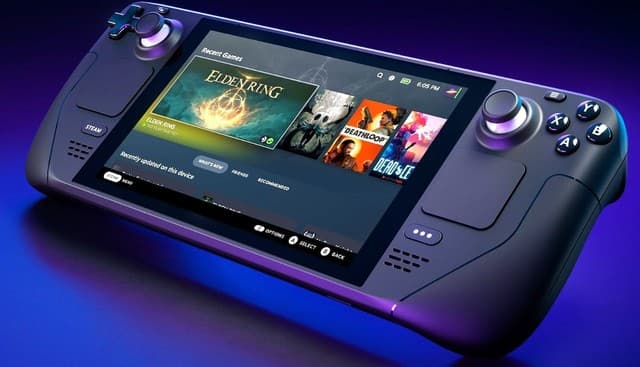

New information suggests Valve’s next-generation portable PC, commonly referred to as Steam Deck 2, could face a delayed release timeline. According to industry insider KeplerL2, the company originally planned to launch the successor device around 2028, but memory supply constraints may push this date further back. The original Steam Deck launched in 2022 and gained popularity for offering a full PC gaming experience in a portable form factor, with Valve releasing an OLED screen upgrade in 2023. However, the company has not officially announced a complete second-generation model yet, leaving enthusiasts speculating about its development timeline and specifications.
KeplerL2’s information, shared on gaming forums, indicates that global memory and NAND storage shortages affecting the entire gaming industry could complicate Valve’s plans. These supply chain issues have already impacted production of the current Steam Deck models, suggesting broader industry challenges. Unlike dedicated gaming consoles with semi-custom chips, the Steam Deck utilizes a more flexible architecture that relies on readily available PC components. This dependency makes the device particularly vulnerable to fluctuations in the memory market, which has been experiencing shortages that could persist for several years according to industry analysts.

Interestingly, a potential delay might actually benefit the final product’s capabilities. Because of the Steam Deck’s flexible architecture, pushing back the release date would allow Valve to incorporate newer, more powerful components that become available later in the development cycle. This contrasts with traditional console development where hardware specifications are locked in years before launch. The delay could enable Valve to implement more advanced memory technologies, faster storage solutions, and potentially more powerful processors that would deliver a significantly better gaming experience than what would be possible with a 2028 launch using current-generation components.

Valve has previously mentioned that global memory issues might force the company to reconsider pricing for its devices. If current market trends continue, this could affect both the release timing and final cost of the next-generation Steam Deck. The company faces the challenge of balancing performance improvements against release schedule and affordability. While delays are never ideal for eager consumers, the potential for a more powerful device at a reasonable price point might ultimately benefit gamers in the long run. This situation highlights how global supply chain issues continue to impact even well-established hardware manufacturers in the gaming industry.