Resident Evil Development Secrets: Ethan Winters’ Original Fate Revealed
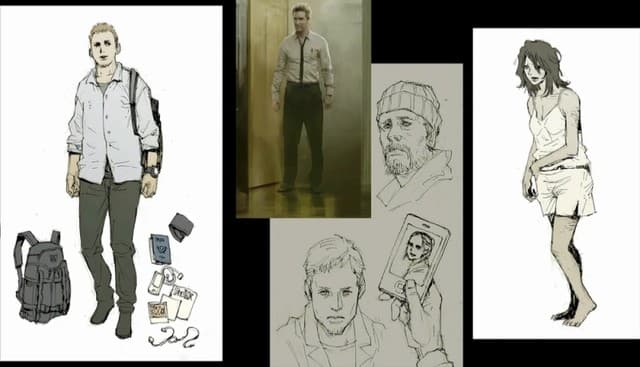

New insights into the development of Capcom’s Resident Evil series reveal surprising details about protagonist Ethan Winters’ original fate and cut content. According to revelations from producer Tsuyoshi Kanda, the character was initially conceived very differently in early drafts of Resident Evil 7. The original concept, dubbed the “detective script,” would have featured players controlling a private investigator rather than Ethan himself. In this scrapped version, Ethan Winters was destined to be brutally killed by a monster disguised as Mia early in the game, making him a disposable character rather than the central protagonist he became.
Development team members ultimately rejected the detective concept for a crucial emotional reason. They determined that having a detective with no personal connection to Mia undertake the dangerous journey would fail to create genuine fear and player immersion. To make players experience the family tragedy firsthand, Ethan was reimagined as Mia’s husband, transforming him from a potential victim into someone fighting for his loved one. This fundamental shift established the emotional core that would define Ethan’s journey through both Resident Evil 7 and Resident Evil 8: Village.

The “mold person” explanation for Ethan’s regenerative abilities wasn’t planned during Resident Evil 7’s development but was added retrospectively during Resident Evil 8: Village’s creation. The lore reveals that Ethan actually died during the Baker estate incident, replaced by a mold-based replica. This retcon explains his remarkable healing capabilities while maintaining his human motivations. Additionally, cut content included Ada Wong appearing in Resident Evil 8 wearing medieval plague doctor attire and wielding a repeating crossbow, planned to rescue Ethan during the Four Lords confrontation before being removed due to narrative conflicts with Chris Redfield’s presence.

Ethan Winters’ evolution represents one of Resident Evil’s most significant character transformations. What began as a disposable character in early drafts became a mold-powered yet human-driven protagonist whose journey concluded with the poignant statement: “The father’s story ends here.” The decision to have him face challenges alone rather than with external assistance like Ada Wong ultimately strengthened his characterization as a determined father figure. These development insights show how careful narrative choices transformed Ethan from background casualty to what fans have dubbed the “pure love warrior” of the series, proving that even major characters can undergo dramatic conceptual changes during development.