Memory Prices Predicted to Surge 50% as Gamers Push Back on Hardware Upgrades
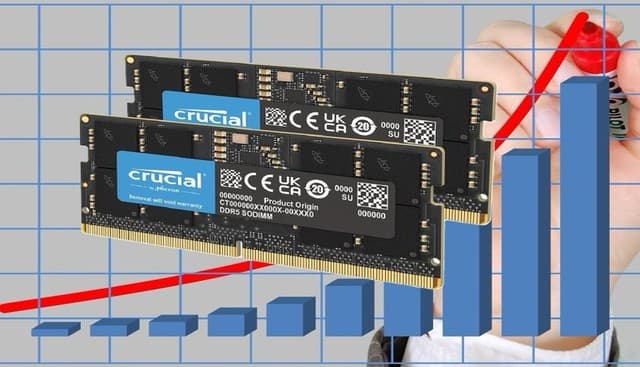

Investment bank Jefferies has released a troubling forecast for the global memory market, predicting that DRAM and NAND flash prices could surge by 40% to 50% in the third quarter of 2026 compared to the previous quarter. According to the report, the price increases are driven by artificial intelligence’s insatiable demand for storage chips, creating what analysts describe as a “silicon inflation” phenomenon across the consumer electronics sector. The forecast further indicates that prices will continue to climb in the fourth quarter, with the elevated pricing “new normal” potentially persisting until at least 2028 before any meaningful relief arrives.
In response to soaring memory and component costs, voices within the gaming community have begun advocating against hardware upgrades. Some argue that pursuing next-generation consoles or high-end PC builds at current prices represents poor financial timing. Proponents of this stance point out that the marginal improvements in game graphics have reached a point of diminishing returns, suggesting that what players truly desire is not higher resolutions or more realistic ray tracing effects, but rather games that deliver genuine fun through compelling gameplay and creative design.

The rising hardware costs have reignited a broader discussion about the gaming industry’s reliance on graphical arms races. Critics argue that as hardware competition drives up both development costs and consumer expenses, developers should refocus resources on gameplay innovation and content quality rather than chasing visual fidelity. The sentiment, as expressed in recent discussions, is that even the most powerful graphics card cannot salvage a mediocre gaming experience, putting the spotlight back on fundamental game design principles.

With memory prices potentially remaining elevated for the next two years, gamers face a strategic choice between upgrading hardware to access next-generation titles or staying with existing setups while waiting for a stronger wave of compelling game content. While the prediction remains just that — a forecast — the underlying forces driving AI chip demand show no immediate signs of abating. For players with older systems, the timing may favor patience over impulse upgrades. This is certainly a scenario worth watching closely for anyone planning a PC build in the near future.