Jian Yin Xia Zong Lu Quench Blade Test: New Sects, PVP, Formations
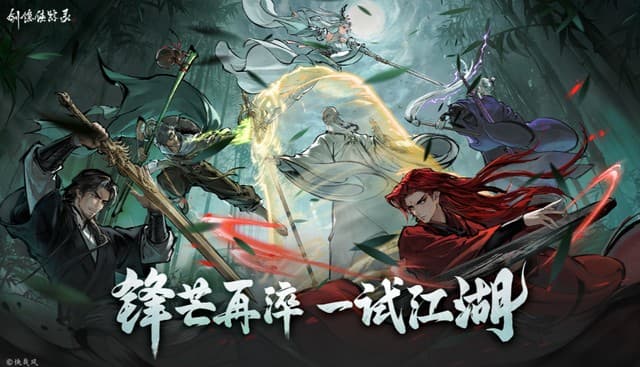

Jian Yin Xia Zong Lu (The Hidden Sword Chronicle), a Chinese wuxia RPG, has entered its second round of testing with the Quench Blade Test. Following the first test, which revealed the theme of “hidden chivalry in the city,” this phase presents a more complete martial world. The expanded main storyline follows a young protagonist from Yunbo Village through the Lu family’s old grudges to the Huashan sword tournament, where he becomes a figure capable of reshaping the entire martial arts landscape. The in-game chronicle book, the Xia Zong Lu, which records the lives of heroes across the realm, now exceeds one million characters of text and gains new chapters in this test.
The map has grown far beyond Chengdu with new regions including Cuizhu Town, a settlement backed by bamboo forests and facing snowy peaks where Han houses and Qiang watchtowers line the streets, and Xihe Village, surrounded by loess gobi with cave dwellings carved into hillsides, along with the tranquil pine-clad Qingcheng Mountain. A new bird’s-eye view mode replaces the traditional minimap, making navigation more intuitive and reducing detours. Side quests now trigger dynamically based on time of day and weather, with exclusive quests unlocking at midnight or during rain. Hidden easter eggs include a pharmacy and a tavern paying tribute to the classic TV series Shen Yi Xi Lai Le.

A new third sect, Dangyang, joins Huashan and Shaolin, rooted in the gobi desert with alternating scorching sun and sandstorm weather and occasional mirages. Initiation at Dangyang requires new disciples to actually shout the sect slogan “My blade, glory to Dangyang” into the microphone. Shaolin now opens its advanced martial arts across fist, palm, staff, and finger paths, while Huashan gained refined skill effects, adjusted combo timing, and sect-specific side quests. The test also adds four crafts (eloquence, forging, weaving, gathering) and two cultivation arts (wine and qi), plus exploration tools such as torches, shovels, and listening jars for scene puzzles.

Combat receives a strategic overhaul with two new formation mechanics: fully assembled formations are formidable, but they instantly collapse once their core point is struck. Auto-battle now lets players set skill release priorities and ultimate skill intensity, choosing between steady three-layer inner power or all-out attacks. The new PVP mode, Ba Fang Hui Wu, enables duels at arenas in major cities, testing lineup arrangements and martial art combinations. A chat system opens in designated zones, including taverns in Yangzhou and Chengdu, sect grounds, and arena areas. With a deeper story, richer sects, and more strategic combat, this test appears to bring the wuxia world closer to its full vision — one worth following for genre fans.