Former Overwatch Director Reveals Shocking Departure Reason
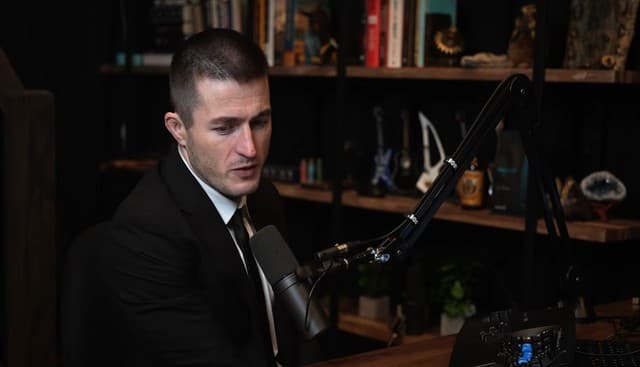

Jeff Kaplan, the former director of Overwatch who left Blizzard Entertainment in 2021, has finally revealed the shocking reason behind his departure after nearly five years of speculation. In a recent five-hour interview with podcast host Lex Fridman, Kaplan disclosed that extreme revenue demands from Blizzard’s chief financial officer ultimately forced his exit. The veteran game developer, who had been with Blizzard for nearly two decades and considered the company part of his identity, described the situation as one of the most infuriating moments of his career. Kaplan had previously kept silent about the circumstances surrounding his departure, leaving fans and industry observers to wonder what prompted his sudden exit from the popular team-based shooter project.
According to Kaplan, the Blizzard CFO presented him with an ultimatum regarding Overwatch’s financial performance. The executive demanded that the game generate a specific amount of revenue in 2020, with the same amount required annually thereafter. The initial deadline was set for 2020 but was later extended to 2021. The CFO explicitly threatened that if these targets were not met, Blizzard would lay off 1,000 developers, and the responsibility would be placed squarely on Kaplan’s shoulders. Kaplan recalled being summoned to the CFO’s office and presented with these demands, which he described as creating an “unreal” situation that left him feeling trapped between creative integrity and corporate financial expectations.

Kaplan stated that this confrontation represented the angriest moment in his professional career. He had deeply loved Blizzard, viewing it as an integral part of his identity and fully expecting to retire from the company. The veteran developer never imagined he would leave Blizzard, making the ultimatum particularly devastating. In that moment, Kaplan decided his relationship with Blizzard had reached its endpoint, leading to his departure in 2021. He expressed relief that the CFO responsible for these demands is no longer with the company, suggesting that the executive’s approach to game development and financial management was incompatible with sustainable creative work.

During the interview, Kaplan also addressed the broader tension between creative-driven industries and profit-focused executives. He observed that developers and other creative professionals often surrender too much control over their work when partnering with publishers or bringing financial personnel into projects. Kaplan urged creative individuals and producers to recognize that beyond their passion for craftsmanship lies a competitive, ambitious business world. He emphasized that success in gaming requires balancing artistic vision with commercial realities, though not at the expense of developer welfare or creative integrity. This revelation provides rare insight into the pressures facing high-profile game directors and serves as a cautionary tale about the potential consequences when financial demands override creative considerations in game development.