Final Fantasy 7 Rebirth Player Base Shows Aging Demographic Trend
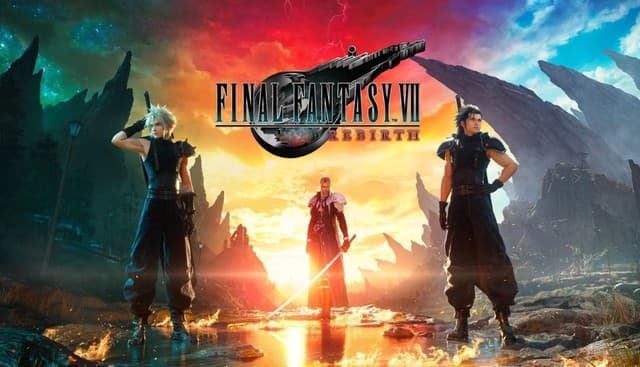

Recent data reveals that Final Fantasy 7 Rebirth’s player base in the United States skews significantly older, with 77% of players aged 30 or above according to statistics from American third-party research firm Mat Piscatella. The data further shows that 62% of players are 35 years or older, indicating a clear demographic trend where this classic IP is gradually losing appeal among younger gaming audiences. This aging player base presents challenges for the long-term sustainability of the Final Fantasy franchise as it seeks to attract new generations of fans while maintaining its core audience.
Final Fantasy series producer Naoki Yoshida addressed this issue in an interview with GamesRadar+, noting that he himself is 53 years old and has played the series since the original installment. Yoshida acknowledged that for younger generations who are more accustomed to action combat and online competitive gameplay, recent series entries may struggle to resonate. He identified one key reason for this disconnect: the increasingly long intervals between new game releases have prevented some players from growing up with the series as older fans did, creating a generational gap in franchise engagement.

Facing this ‘aging player base’ challenge, prominent Twitter user Genki suggested that Square Enix could attract younger audiences by expanding character exposure through various media channels. Genki noted that Square Enix has historically been conservative with character licensing but has recently shown more flexibility, such as with the crossover collaboration with Magic: The Gathering. The suggestion includes potentially introducing Final Fantasy characters into popular games like Fortnite, allowing more third-party merchandise production, and even creating a Final Fantasy 7 animated series to boost overall franchise visibility and appeal.
Genki specifically cited Cloud Strife as an example, pointing out that many younger players first encountered the character through Super Smash Bros. rather than through mainline Final Fantasy games. This demonstrates how broader cross-platform exposure can introduce iconic characters to new audiences who might not otherwise engage with the traditional RPG series. The recommendation emphasizes using diverse channels to make franchise characters more accessible and recognizable across different gaming communities and media formats, potentially bridging the generational divide. While demographic shifts present challenges, strategic character exposure could help maintain Final Fantasy’s relevance across age groups.