Cyberpunk 2077 VR Mod Developer Shifts Strategy After CDPR DMCA
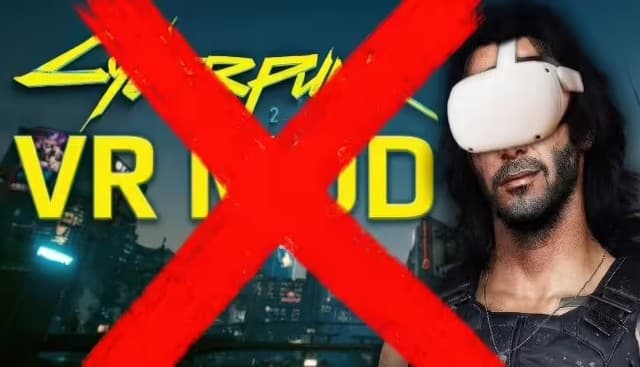

VR mod developer Luke Ross has adjusted his distribution strategy following a Digital Millennium Copyright Act (DMCA) notice from CD Projekt targeting his paid Cyberpunk 2077 VR modification. The developer initially removed multiple paid VR mods from his crowdfunding platform page in January after receiving the legal notification. According to reports from RoadtoVR, Ross has since re-uploaded many of his VR modifications while making most available for free, though Cyberpunk 2077 content remains absent. This development highlights ongoing tensions between mod creators and game publishers regarding monetization of fan-made content that interacts with commercial games.
CD Projekt issued the DMCA infringement notification against Ross’s paid Cyberpunk 2077 VR mod in January 2026, prompting the developer to remove not only that specific modification but also other paid VR mods from his crowdfunding platform. Ross has explicitly stated he will not re-upload any works that might involve DMCA disputes, indicating a cautious approach to avoid further legal complications. The takedown represents a significant development in the relationship between major game publishers and independent mod creators who develop enhancements for popular titles, particularly when those modifications involve monetization.

Following the DMCA action, Ross has implemented a new distribution model where most VR mods are now available for free while accepting optional user donations. This approach appears designed to navigate potential legal restrictions found in many game publishers’ service terms that specifically prohibit paid modifications. Ross’s latest crowdfunding platform posts now include legal statements emphasizing intellectual property protection and prohibiting copying or distribution of content. The strategy shift suggests Ross is exploring a more legally defensible path that maintains accessibility to his VR enhancements while reducing copyright infringement risks.
Ross’s VR modifications function by adding OpenXR compatibility to PC games through custom code, enabling stereoscopic 3D visuals and head tracking without including any original game files. This technical distinction raises questions about the boundaries of copyright protection for transformative works that enhance existing software. While the exact reasons for Ross’s strategic adjustment remain unclear, the move toward free distribution with donation options represents a pragmatic response to publisher enforcement actions. The situation continues to evolve as mod creators and game companies navigate the complex intersection of fan creativity, technical innovation, and intellectual property rights in the gaming ecosystem.