Capcom Reveals Pragmata’s Strand Hair Tech and Facial Animation Secrets
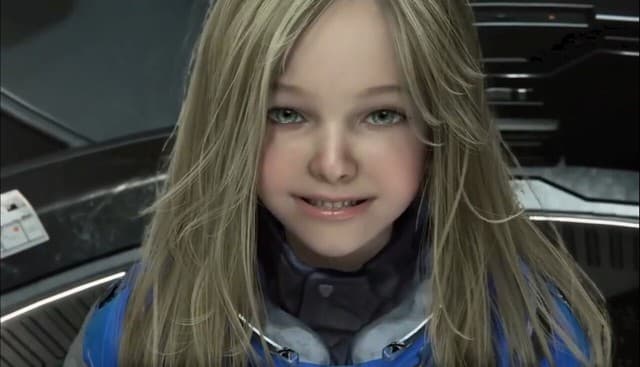

At CEDEC2026, held from July 22 to July 24, Capcom developers Kenji Irie and Serina Kohara presented a detailed breakdown of the facial animation and hair technology behind the beloved android girl Diana in Pragmata. The SF action title, released in April 2026, features a unique combat system where solving puzzles mid-battle provides strategic advantages. Diana, with her childlike curiosity and flowing long hair, became the game’s standout character. The presentation revealed that the team almost opted for a bob cut hairstyle during mid-development, showcasing a prototype model before ultimately committing to the technically demanding strand hair approach.
Capcom’s goal for Diana’s facial expressions was not “always cute” but “Diana-like cuteness” befitting a child android. The team analyzed what makes expressions feel innocent, avoiding overused tropes like worried eyebrows and lip-biting except in moments of genuine distress. Animation began with motion capture using a head-mounted camera during English voice recording, processed through Faceware, then refined using a ROM database of approximately 50 expressions per actor. A FACS-based rig in Capcom’s RE ENGINE enabled real-time control over joints, blend shapes, and textures. Issues like laugh lines making Diana appear aged were corrected by adjusting rig poses.

Diana’s hair uses strand hair rendering rather than traditional hair cards, with 430,000 control points compared to just 22 joints. The team seriously debated switching to a bob cut midway through production due to high asset, simulation, and processing costs, creating prototype models to evaluate the feasibility. Ultimately, the long hair was deemed essential for conveying Diana’s lived-in feel on the moon and her unprepared, childlike appearance. Modeling was done using Xgen in Maya, with every strand receiving manual adjustments to avoid an overly clean look. The hair simulation is physics-based, with key regions locked to prevent unnatural movement.

The strand hair faced three major cost hurdles. Asset costs were managed by reusing strand splines to generate hair card variants for different graphics settings. Simulation issues were addressed by automatically detecting key hair regions to lock their shape, preventing explosive movement. Processing costs were reduced by keeping strand counts to under 20,000 (versus real human hair’s 100,000) and increasing strand thickness when characters are distant from the camera. The presentation recommended that projects carefully evaluate strand hair’s value before adoption. Seeing Diana’s remarkably expressive hair in action, it is clear the gamble paid off for Capcom, and one can only wonder which title will push this technology further next.