NVIDIA DLSS 5 AI Technology Sparks Gaming Industry Debate
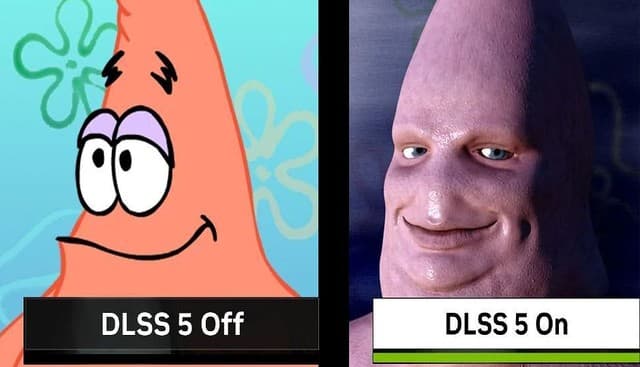

NVIDIA’s DLSS 5 technology has been publicly available for a week, generating significant discussion and controversy within the gaming industry. Despite NVIDIA CEO Jensen Huang personally participating in related discussions, external evaluations have remained consistent with widespread skepticism and questioning emerging. Many players and developers believe NVIDIA has failed to accurately grasp the industry’s real needs. Beyond the specific technology, the DLSS 5 controversy highlights a fundamental debate of the AI era: is AI evolving gaming or killing it? The generative AI real-time neural rendering technology was introduced at NVIDIA’s 2026 GTC conference and promises cinematic-level visual performance for RTX 50 series users.
DLSS 5 leverages AI to deliver film-quality graphics for RTX 50 series hardware owners. Several major games have already announced support for the technology, including 《生化危机:安魂曲》(Resident Evil: Requiem) and 《三角洲行动》(Delta Force). However, whether this technology will gain market acceptance and achieve NVIDIA’s expected goals remains uncertain. The core capability involves using generative AI for real-time neural rendering, potentially revolutionizing how games achieve high-fidelity visuals without requiring massive computational resources from traditional rendering methods.

The central controversy surrounding DLSS 5 revolves around AI-generated content exhibiting excessive creative modifications. Players discovered that when the technology optimized the FIFA character Van Dijk, it directly modified the model into a different person. This transformation of artistic design—a core component of gaming experience—through indiscriminate AI reconstruction clearly exceeds the reasonable scope of optimization. The issue raises questions about whether AI enhancement should preserve original artistic intent or freely reinterpret visual elements based on algorithmic preferences.

Despite Jensen Huang emphasizing the technology’s high controllability and developer ability to manage style, achieving frame-by-frame precision adjustments in large-scale content applications proves challenging. Some developers believe DLSS 5 can enhance visual appeal, help smaller teams achieve higher-quality visuals, and potentially boost game sales, though at the cost of sacrificing characters’ unique personality and distinctive qualities. From an industry perspective, NVIDIA’s DLSS 5 launch appears more focused on demonstrating AI rendering capabilities through gaming scenarios to drive hardware sales rather than providing pure gaming industry solutions. Despite ongoing controversy, DLSS 5 remains scheduled for release this autumn, with supporting games gradually implementing the technology. The debate highlights the broader tension between technological advancement and artistic preservation in gaming’s AI-powered future.