Nine-Year Indie Game Cracked and Translated, Dev Weighs China Exit
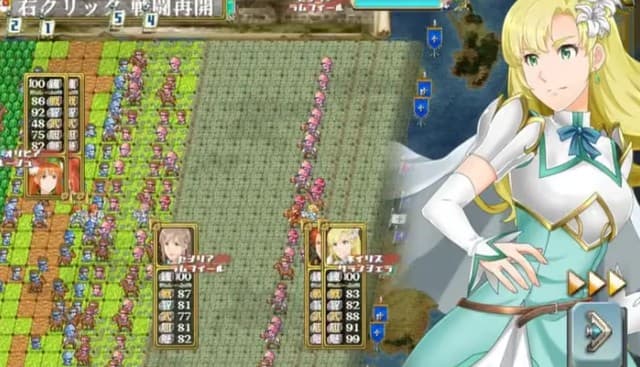

A Japanese independent developer who spent nine years building a strategy game largely alone is now reconsidering his plans for the Chinese market after a community group cracked, translated and redistributed his work. The developer, known as Hide, created the strategy title Deserter’s using an engine he built from the ground up. According to the source report, a Chinese cracking group not only produced a full fan translation but also patched out bugs present in the original release, then bundled everything into a free package. Hide’s response was one of exhaustion rather than anger, and he has since moved to have the modified files taken down.
Deserter’s runs on a self-developed engine, meaning Hide had to construct the rendering, animation and script interpretation layers from scratch. Every hand-drawn illustration and every Live2D animation in the game was also produced by him personally. Game development is not his main profession — the project was assembled during evenings after work. He has mentioned on social media that personal circumstances forced a break of several months, and that a hard drive failure once put his project files at risk. As a result, the development period stretched intermittently across roughly nine years.

According to the report, the cracking group went well beyond a typical fan translation. They reverse-engineered the original engine, located and repaired bugs, translated the text, and then packaged the localized text, modified code and game files into a single free download. Hide said he could have accepted an unauthorized upload, but that unapproved changes to the game’s content were something he could not tolerate. The material has since been removed through a DMCA notice. The episode also prompted widespread debate, with some praising the group’s technical skill while others argued that no amount of skill justifies unauthorized modification and redistribution.

Hide had been negotiating a PC release and had planned Chinese language support for future additional content. After the cracked version appeared, those talks could no longer proceed, and all related Chinese-language plans have been put on hold while he considers withdrawing from business aimed at the Chinese market entirely. He has said the additional content will still be developed, though official Chinese support is now unlikely. The report notes that traditional fan translation groups generally release patches only, requiring players to own the original game, and typically avoid cracking, code modification, bundling or commercial use — boundaries this case crossed.
What bothered Hide was reportedly not the bug fixing itself. From a pure product standpoint, repaired bugs would be an improvement. The actual grievance is the loss of control: bug fixes, version updates and content changes are decisions that belong to the creator, not to outsiders. By taking over those decisions, the group effectively repositioned the author from the person who defines the work to merely the supplier of raw material. Players received a smoother version, but the creator lost the final say over what his own game is. Our take: appreciation for a fan translation should never come at the cost of the creator’s authority over their own work. 😔