IGN Japan Praises Phantom Blade Zero Exploration, Questions Combat
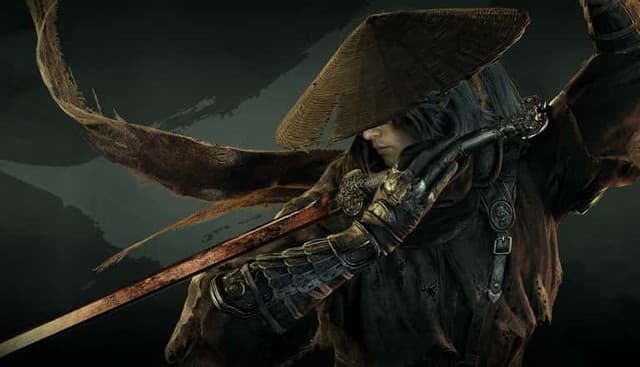

IGN Japan has published its hands-on impressions of Phantom Blade Zero (影之刃零) after roughly 20 hours of play, and the verdict is enthusiastic but not uncritical. The reviewer said the game pulled them in deeply, to the point of mentally tracing exploration routes, unfinished branches, and the identities of unfamiliar characters while away from the controller. The impressions also state that not every element deserves praise, with the combat system singled out as having room for improvement and some boss fights described as lacking a sense of reasonableness.
The reviewer gave exploration top marks, calling it a fusion of strengths from the Dark Souls series and the Metroidvania genre. The map is intricate and heavily branched, so progress can lead into unexpected new regions or loop back to places already visited — a discovery loop described as very comfortable. Small spaces are packed with secrets: collecting “memory petals” gradually unfolds specific stories and raises health at certain thresholds, while rescuing a caged merchant makes him reappear elsewhere with new quests. Secondary “Shadow Armament” weapons serve exploration too — an axe smashes walls, a kusarigama reaches high spots, a bow shoots down items — and map icons flag spots worth revisiting.

The reviewer argued that the term “kungfu punk” does not fully capture the game’s world. It blends traditional Chinese architecture and cultural elements with imagery that feels unnatural, even eerie, and the goals and motives of characters are often not immediately understandable — an opacity the reviewer treats as part of the appeal. The music drew specific praise: melodies shift between sinister and dark, then suddenly open into soothing, beautiful passages, functioning not as background wallpaper but as a key element for understanding the world. The overall experience reminded the reviewer of first encounters with Dark Souls and Bloodborne, transposed into a Chinese setting.

Combat drew a more cautious verdict. The mechanics sit close to Sekiro — reading attacks, repeated deflections, precise dodges — but run faster and flashier, with continuous martial-arts strikes that look impressive. In practice, varied and fast enemy patterns make it hard to tell what just happened, and the rules are not always intuitive; the reviewer also noted enemies stuck in terrain, ultimate skills countered unexpectedly, and boss fights where the winning method stayed unclear after victory. Exploration scored 10 and combat 7 — the inverse of Onimusha: Way of the Sword. Weapon variety stands out: the Deadly Zhanmadao damages its user before paying back on consecutive hits, the Fool’s Broken Sword turns attacks into flying blades after drinking, and the White Python Crimson Serpent sends daggers orbiting. As an action RPG rather than pure action, its strengths look considerable — this one is worth watching.