AI-Generated Fallout and Call of Duty Projects Hit Copyright Walls
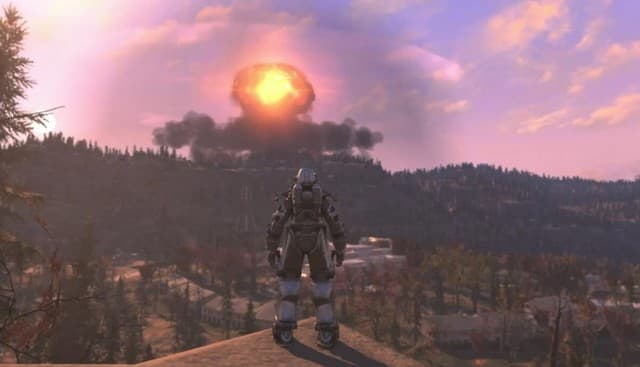

A growing wave of generative AI projects built on well-known game franchises is running straight into copyright enforcement. Two high-profile efforts went viral in recent days — one recreating a Fallout-style open world in a browser, another claiming to decompile Call of Duty: Modern Warfare 2 — and both were stopped by Microsoft-owned Bethesda and by Activision respectively. The cases highlight how quickly AI-assisted development can produce playable experiences built on established IP, and how firmly rights holders are responding when those projects surface publicly.
The first project, Fallout: New York, was shared by social media user ChrisFirst. According to the posts, its code was written by Claude Opus 5.5 and included quests, dialogue trees, a VATS system, and a working Pip-Boy. Buildings, weapons, character faces, and sound effects were all generated by code, with no texture or audio files involved. The first post on September 28 drew over 3.5 million views. On October 1, ChrisFirst confirmed he had abandoned the project after receiving a cease-and-desist letter from Bethesda, posting a screenshot of the legal warning and apologizing to supporters that “management stepped in, the fun ends here.”

A second case emerged on September 30, when Maurice Hoymann said on social media that he was using generative AI to decompile the source code of the original PC version of Call of Duty: Modern Warfare 2. He claimed 17 AI agents were working in parallel, that the game was fully playable, that obvious bugs were almost fixed, and that he had even fired the first nuke. Activision then replaced the gameplay clips shared in his post with a warning stating the media had been disabled in response to a report by the copyright owner. The link hosting the code was reportedly no longer accessible, and Hoymann also complained that his own AI agents had deleted all of his content.
AI projects suspected of infringing famous game IP are appearing with increasing frequency, and how long rights holders can sustain this whack-a-mole style of enforcement remains unclear. One commenter argued that targeting small developers rather than addressing the underlying technology is effectively a 2.0 of the music industry’s Napster episode, predicting the same pattern of winners and losers. The two takedowns show that AI-built homages to protected franchises remain legally exposed no matter how fast they are assembled. For fans watching this space, it is a clear signal that technical ambition alone does not settle who owns an idea. 🎮