Web Novel Platform Faces Backlash Over Extreme Violent Content
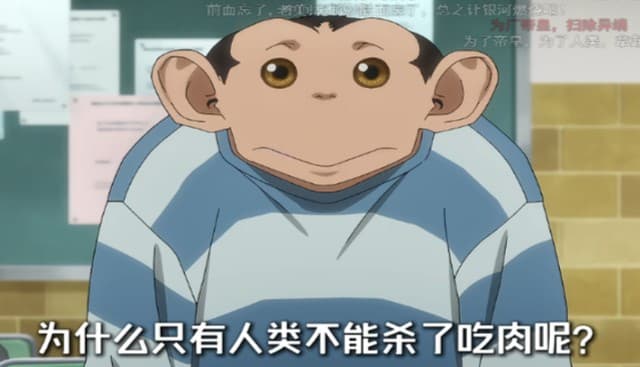

A major controversy has erupted in China’s web novel community following the exposure of extreme violent content on the Green River Literature City platform. The incident, dubbed the “223 Incident” after its February 23rd discovery, involved readers uncovering numerous works containing graphic violence, disturbing themes, and content that violates public order and social norms. According to reports, these works featured descriptions of harm to children, cannibalism, and other extreme material that has drawn widespread condemnation from readers and the broader online community. The platform’s handling of the situation has become a focal point for discussions about content moderation in digital publishing spaces.
The controversy began when readers reported works on Green River Literature City that contained what they described as “anti-human” content. These works, some exceeding one million words in length, allegedly used violence and shock value as selling points while superficially presenting themselves as “female empowerment” stories. Beyond the graphic violence, some works reportedly targeted specific groups including female authors, female readers, and other communities with abusive content. Despite multiple reader complaints to customer service, the platform initially failed to take decisive action against these works, allowing them to continue serialization.

Green River Literature City’s response to the controversy further escalated the situation. According to reports, a senior executive from the platform posted comments suggesting that expecting perfection from others represented “human evil,” which many interpreted as deflecting responsibility onto readers rather than addressing platform moderation failures. This statement angered the online community and intensified calls for accountability. The platform has not yet released an official investigation report about the incident, leaving many questions unanswered about their content review processes and moderation standards.

The controversy has reignited discussions about content regulation in China’s web novel industry. Attention has turned to author Tang Jia San Shao’s previous proposals as a national committee member calling for unified review standards for online literary works. His suggestions to strengthen penalties for违规 content and protect industry health have gained renewed relevance in light of the current scandal. While opinions about specific individuals vary, the incident highlights ongoing challenges in balancing creative freedom with responsible content moderation. The web novel community continues to debate where boundaries should be drawn for acceptable content in digital publishing spaces.