Tesla’s Optimus Robot Learns to Charge CyberCab Robotaxis
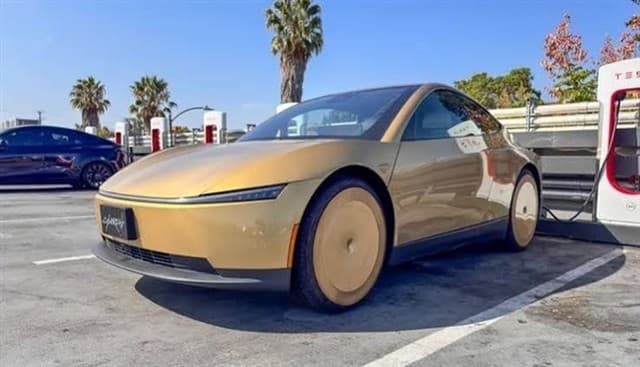

Tesla’s humanoid robot Optimus is learning a new skill: charging the company’s driverless taxis. The detail emerged from an engineering deep-dive video on the CyberCab published by Munro Live, in which Tesla vice president of engineering Lars Moravy and Eric Earley discussed the vehicle’s design and the automation plans surrounding it. According to the pair, Optimus is expected in the near term to handle “plug-in” charging duties for the Robotaxi fleet, a task that currently still depends on people. The reveal positions the robot as part of Tesla’s broader push to automate the operations behind its autonomous ride-hailing service.
According to the source video, CyberCab’s energy replenishment still relies primarily on wired DC fast charging. The production version keeps a concealed NACS charging port in its rear bumper, and at present the Robotaxi fleet must be plugged in manually. Tesla’s team framed the Optimus plan plainly, saying they hope the robot will soon be able to plug the cars in for them. Until that happens, charging remains one of the few steps in the autonomous taxi loop that still involves a person rather than software.

Moravy outlined a wider role for Optimus, describing charging as merely the robot’s first job. In his words, it could go on to provide maintenance services for vehicles and might also move into delivery work. That suggests Tesla does not view Optimus as a replacement for a single task, but as a general-purpose labor unit that can be slotted into multiple parts of fleet operations. Cleaning and upkeep are among the gaps the discussion identifies as not yet covered by automation.

Moravy described CyberCab, Optimus and Robovan as an “incredible” three-part combination, with Tesla Semi added for long-distance transport. In that arrangement, CyberCab provides driverless passenger capacity, Robovan covers larger-volume transport scenarios, and Optimus acts as the physical execution unit that fills the spaces between vehicles and infrastructure. Charging, cleaning and maintenance are the specific examples cited as work still requiring human involvement in an otherwise unmanned fleet. Whether Optimus can handle those jobs reliably at real fleet scale remains unproven, but the ambition is certainly one to watch.