Pokémon Yellow: Pikachu’s Game Boy Debut Turns 28 Years Old
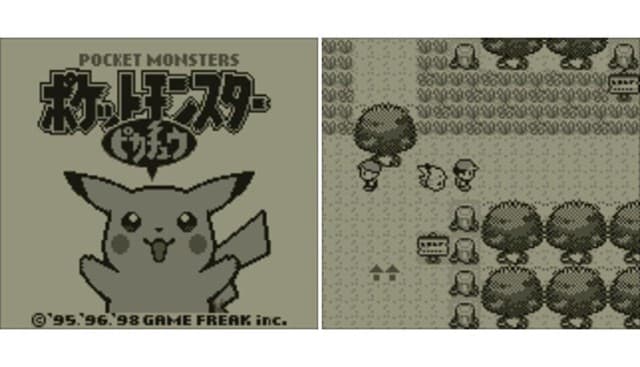

On September 12, 1998, Nintendo released Pokémon Yellow for the Game Boy, a role-playing game built around the popularity of the Pokémon anime. According to a retrospective from Famitsu, the title was produced to commemorate the release of the first animated film, Pokémon: Mewtwo Strikes Back. In terms of content, it shares its generation with the series’ origin. Rather than choosing Squirtle, Charmander, or Bulbasaur from Professor Oak, players receive Pikachu as their very first partner — and it famously refuses to stay inside a Poké Ball.
The most striking feature of Pokémon Yellow was its walking companion system. Because Pikachu was hugely popular thanks to the anime, letting it trail behind the protagonist delighted children of the era. Only Pikachu could walk alongside the player, though the concept later became a lasting staple of the series. Famitsu notes that Pikachu’s cry was voiced by Ikue Otani, who plays the character in the anime. Speaking to it displayed a large expression and, along with the cry, revealed its current mood.

The game also included an event where players could battle Team Rocket members dressed as the anime’s iconic duo, Musashi and Kojirou. These opponents deployed Pokémon such as Meowth and Ekans, recreating scenes from the animated series. This surprise addition gave Yellow a stronger connection to the TV show than earlier entries, letting fans experience recognizable moments from the anime within the RPG itself.

Pokémon Yellow later served as the foundation for Pokémon: Let’s Go, Pikachu! on the Nintendo Switch, released on November 16, 2018. A further milestone arrived on September 12, 2009, with the launch of the full remake of the second-generation titles, in which every Pokémon could finally walk with the player, shiny variants were supported, and companions occasionally picked up items. Looking ahead, the series’ next entirely new entry is scheduled for 2027, set among beautiful islands surrounded by sparkling seas and gentle winds. For longtime fans, Yellow remains a fond reminder of how the series first blurred the line between game and anime.