PlayStation’s Three Unbreakable Records: PS2, GT Racing, and TLOU2

International gaming media outlet Everyeye recently published an article highlighting three remarkable milestones in PlayStation’s history. Since entering the gaming industry in 1994, Sony has established a dominant position in the console market through consistent product iterations and a quality content ecosystem. The analysis focuses on three specific achievements that stand out as particularly significant in the brand’s legacy, showcasing PlayStation’s impact on the gaming landscape over nearly three decades.
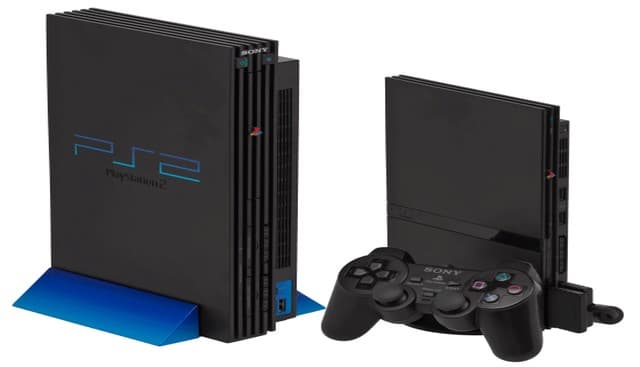
The PlayStation 2 remains Sony’s best-selling console with over 160 million units sold globally, setting an industry benchmark. This achievement was attributed to several factors including an affordable pricing strategy, built-in DVD playback functionality, and strong support from third-party developers with more than 3,800 games. By comparison, the current PS5 has not yet reached 100 million units sold, indicating the significant challenge of surpassing the PS2’s historic sales record in today’s competitive market.

The original Gran Turismo sold 10 million copies, making it the best-selling racing game on PlayStation platforms. The entire Gran Turismo series has now surpassed 90 million units in total sales. Since its debut in the 1990s, the series has maintained global popularity and continues to hold a significant advantage over other racing games in its category, demonstrating remarkable longevity and consistent appeal to racing enthusiasts worldwide.

The Last of Us Part 2 achieved an impressive milestone by winning over 300 awards in its release year of 2020. This made it the most-awarded PlayStation exclusive game at that time, surpassing titles like The Witcher 3: Wild Hunt. Although this record was later broken by cross-platform games like Elden Ring, The Last of Us Part 2 remains a landmark achievement among Sony’s first-party exclusive titles. These three records collectively demonstrate PlayStation’s enduring impact on gaming history, with each representing different aspects of success in hardware sales, software popularity, and critical recognition.