New Report Identifies Nine Key Gamer Segments for Targeted Marketing

A new white paper jointly published by research firm Gamma Data and the gaming division of a major digital platform has identified nine distinct gamer personality segments within the gaming audience, aiming to help developers and publishers improve marketing efficiency. Titled the white paper leverages data from millions of user profiles and over 200,000 categorized keywords to map out these groups. The report highlights how mature games are increasingly driving revenue growth through content marketing, with 65.3% of revenue among the top 100 mobile games by revenue growth in 2025 coming from titles that have been on the market for over a year.
According to the research, the nine identified groups include Competitive Domination Enthusiasts (12.6% of users), who favor high-intensity competitive and hardcore multiplayer experiences. Classic RPG Players (13.3%) prefer immersive world-building and long-form narrative experiences. Strategy Thinkers (12%) enjoy tactical decision-making and resource management. The largest segment is Healing女主角 (13.8%), predominantly female users who enjoy life simulation, romance, and light management games. Casual Mini-Game Players (12.7%) prefer low-effort, quick-feedback experiences. Retro Nostalgia Fans (5.6%) gravitate toward classic IPs and vintage gameplay styles.

The report found that over 70% of surveyed games have adopted content marketing strategies including brand channel management, event marketing, and IP collaborations. From the user side, nearly 30% of respondents who increased their mobile game spending in 2025 explicitly attributed the increase to influences from platforms outside of the games themselves. Among users who downloaded new games or returned to old ones in 2025, over 60% said platform factors played a role. The report argues that as mature games sustain or even grow revenue beyond their first year, content marketing has shifted from optional to essential for long-term success.

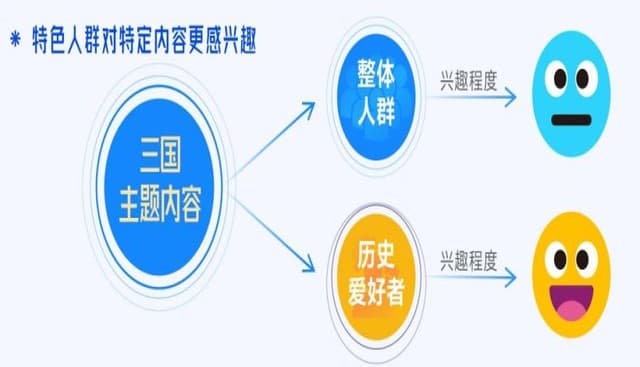
Compared to broad audience targeting, the report suggests that reaching these specialized interest groups can yield significantly better returns on marketing investment. By focusing on users who already show strong affinity for specific content types, developers can reduce wasted ad spend and improve conversion. The platform’s data system allows for audience diagnosis, insight generation, targeting, and penetration tracking across the full marketing funnel. This interest-based approach offers an alternative to traditional demographic targeting by age, gender, or gameplay genre. For game marketers looking to maximize their budgets in an increasingly competitive landscape, this research provides a data-driven framework worth examining.