Hellraiser Game Devs Detail Survival Horror Design and Barker’s Role
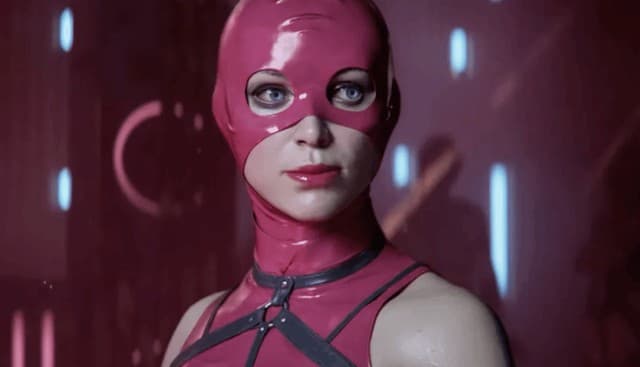

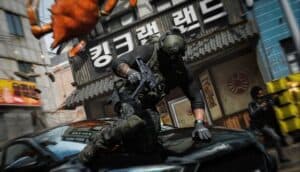
New details on the Hellraiser survival horror project have emerged from narrative director Antony De Fault, who discussed the adaptation in an interview with IGN. The game draws on Clive Barker’s original mythology and aims to translate its unsettling tone into an interactive form. De Fault outlined how the team balanced faithfulness to the source material with playable structure, including stealth, exploration, and resource management alongside its more confrontational content. Barker himself is described as deeply involved in development, advising on visual style, story themes, and character personalities throughout production.
De Fault told IGN that the team at one point used a specific yardstick: whether the game was banned, left unrated, or restricted for release in at least one region. The studio treated that outcome as an informal marker of whether the adaptation had matched the scale of Barker’s original work. De Fault also argued that the game should not merely let players see taboo material but actually perform taboo acts, which is why it includes extreme violence and a large number of deliberately uncomfortable interactions. Those elements are layered on top of the survival horror systems rather than replacing them.

The adaptation revisits familiar figures including Pinhead, Butterball, and Chatterer, but places significant weight on the Scarlet Church, an organized religious order built around the Cenobites. De Fault explained that players cannot fight Cenobites directly, and that fleeing alone could not sustain an entire game. The team therefore designed a faction that is frequently hostile to the player while keeping the Cenobites’ presence felt at all times. He added that such an order fits naturally within the Hellraiser setting, and the developers referenced real-world groups to understand why people are drawn to extreme belief — citing belonging, identity, and the desire to be accepted.

Barker’s involvement extends to visual style, story themes, and character personality. De Fault cited Prophet Bruno as an example: the character’s camp quality was adjusted repeatedly, with Barker insisting he remain right at the edge of credibility. That feedback taught the team that while the original work carries B-movie absurdity, its creator approaches it with complete sincerity. The game also makes deliberate choices with graphic sequences, preserving its rating while letting psychological suggestion land harder than direct depiction. For horror fans, that restraint may prove more unnerving than shock value alone.