Crimson Desert Players Spend 136+ Hours in Starting Area
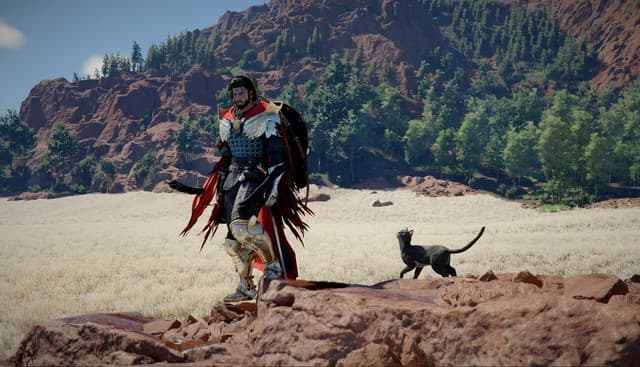

Nearly two weeks after its release, many players of Crimson Desert (红色沙漠) are still exploring the game’s massive initial area rather than progressing to the main desert regions. The open-world RPG has proven so expansive that numerous users report spending dozens of hours solely in the starting zone called Ernand. This phenomenon highlights the game’s enormous scale, which has become a major discussion point within the player community. Crimson Desert launched with strong commercial success, selling approximately three million copies within its first five days.
One player shared on community forums that they have logged 136 hours in Crimson Desert without ever leaving the Ernand starting area. According to their account, they have been playing an average of 13 hours daily since the game’s release. While some community members speculated this might be an exaggeration, many acknowledged that even without hyperbole, the initial region is genuinely massive. The sheer amount of content available in just the first area has surprised players who expected to progress more quickly through the game’s world.

The player community has embraced this phenomenon with humor, creating numerous memes about playing “Ernand” rather than the full game titled Crimson Desert. One user joked, “Look at this red desert area. I wonder if they’ll add it in an expansion pack? For now, I’m quite enjoying Ernand.” This joke reached the game’s PR director Will Powers, who responded by posting a modified game cover that changed the title from Crimson Desert to “Ernand.” He asked players how many were still in the first area, acknowledging the community’s observations about the game’s scale.

For some players, the enormous scope of Crimson Desert represents the game’s primary strength, offering unprecedented depth and exploration opportunities. However, for others, the sheer scale has become a source of hesitation about beginning the adventure, as completing such a massive journey may prove daunting. The game’s design philosophy appears to prioritize extensive, detailed world-building over rapid progression. While this approach has clearly resonated with many players, it also raises questions about accessibility for those with limited gaming time. The Crimson Desert experience suggests that modern open-world games continue to push boundaries of content density and player engagement.