Reflect Orbital Lights Up California Night Sky in Test
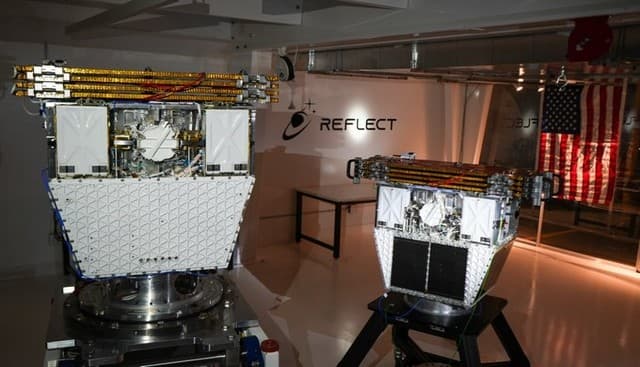

Reflect Orbital, a startup that aims to sell nighttime sunlight by reflecting it from space mirrors, carried out a “Sunlight as a Service” demonstration on October 10 in the town of Independence, California. The company used powerful ground-based spotlights to simulate the effect its future satellites are meant to produce, briefly turning the night sky above the Sierra Nevada mountains bright. No satellites have been launched yet. Photos from the test circulated quickly online, drawing both jokes and sharp criticism from residents and environmental advocates.
According to reports, the test relied entirely on strong ground-based searchlights rather than any orbital hardware, serving as a visual preview of the company’s long-term concept. Images of the illuminated sky spread widely after the event, and one widely shared joke compared the effect to an opponent in a conflict that would never shut off the sun. The demonstration underlined how close the concept has moved from pitch deck to visible result, even without a single satellite in orbit.

Local resident Jaime Lopez Wolters said seeing the dark desert suddenly lit up felt like “international problems” arriving in her own backyard, and she is now seeking help from environmental organizations. The reaction suggests that concern over the test extends beyond abstract policy debate into everyday life for people living near the test site. For a company still in its early stages, that local pushback represents a hurdle that will need to be addressed before any larger-scale trials take place.

Earthjustice senior attorney Jan Hasselman was blunt in his assessment, calling it “a stupid project” and noting that all life on Earth evolved around circadian rhythms, with extensive data indicating that disrupting them is a bad idea. The company has not yet offered public answers to the flood of questions raised since the test. Whether selling sunlight becomes a technological breakthrough or an ecological headache is still very much an open question, and the burden of proof now rests on the company.