Crazy Taxi: World Tour Reveals Real Shibuya and Asakusa Japan Map
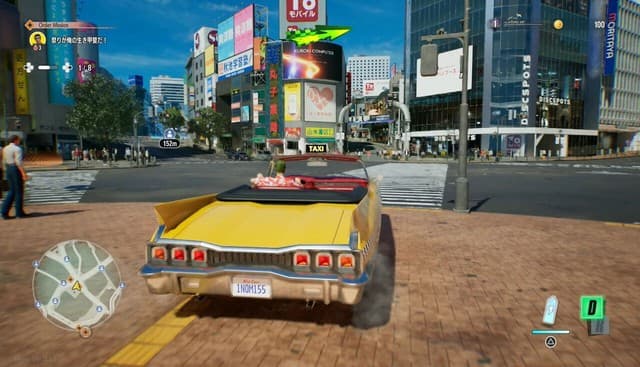

SEGA is reviving its arcade driving series with Crazy Taxi: World Tour, a new driving action title scheduled to launch in 2027. The game is headed to Nintendo Switch 2, PlayStation 5, Xbox Series X|S, and PC. Ahead of release, SEGA hosted a media hands-on event. An earlier demo was shown at gamescom 2026 in Germany last August, but the latest build let press experience the newly revealed Japan map. The title combines free exploration with the classic Crazy Taxi formula of ferrying passengers quickly, where crazier driving earns bigger tips.
The core of Crazy Taxi: World Tour remains delivering customers to their destinations as fast as possible, with more reckless driving earning larger tips. Earnings can be used to upgrade cars, though that feature was not available in this preview. The map supports free roaming with no time limit, allowing players to simply drive around. Passengers wait throughout the city, and picking them up begins timed, high-speed deliveries. Completing a delivery within the time limit adds to the timer and builds combos for higher scores. The time limit is fairly strict, with roughly five consecutive successes considered a strong run. Special NPCs also trigger varied missions, such as delivering while resupplying soba, earning points by drifting, launching a streamer with a sudden stop, or picking up and launching fireworks.

The vehicle handling is the most noticeably modernized element. The game keeps the series’ signature actions but optimizes them for controller play. Pressing the drift button while turning produces a simple sliding drift, while a nitro button activates Crazy Nitro, a high-speed dash whose gauge refills over time. Central to the system is the Action Trigger button, which combines with other inputs to perform commands. Action Trigger plus accelerate yields Crazy Dash, while combining it with reverse enables Crazy Back Dash or the instant Crazy Stop. Pairing Crazy Drift with Crazy Dash even allows right-angle cornering. Billboards and trees now fly off on impact, so collisions cause little lost time.

The Japan map draws heavily on real locations. The area around the Shibuya scramble crossing appears to be the motif, with SHIBUYA109’s Shibuya store named directly, alongside real ramen chain Ichiran and Curry House CoCo Ichibanya. The cityscape follows real atmosphere but is heavily deformed for enjoyable driving, with dense grid-like alleys. An arena resembling Yoyogi National Stadium sits nearby. A highway, likely inspired by the Shuto Expressway, includes a Rainbow Bridge-like section and a port below, plus a view where Mount Fuji, Tokyo Tower, and Tokyo Skytree appear together. A lower-left district evokes Asakusa’s Sensoji with a shopping street and a sumo arena. For fans, this arcade chaos meets virtual tourism blend is worth watching.