Astrae Oratio Devs on Territory Declaration and 1v1 Battle Design
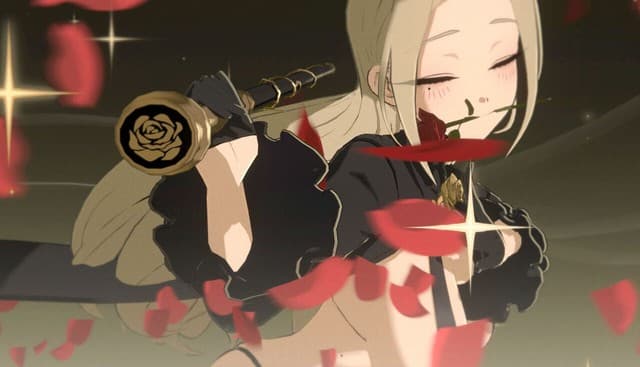

Dynamis One’s upcoming “New Denki magic RPG,” Astrae Oratio, appeared at Tokyo Game Show 2026, where it opened its first public playable demo. The title is set in a fictional version of 1989 Tokyo, blending everyday city life with a hidden supernatural world. In an interview with Famitsu, game director Lim Jonggyu explained the reasoning behind the game’s unusual combat and world design, from its 1-versus-1 structure to its administrative themes. The developer also outlined post-launch content plans, its character reveal strategy, and the creative influences the core team drew from 2000s light novels.
According to Lim, the core of Astrae Oratio is “confrontation.” From that idea, the scenario team built a world in which regional factions clash, a framework the developers summarize with the keyword “administration” — comparable to a local sports tournament on a small scale and to warring warlords on a larger one, with citizens involved in managing the whole. This setting produced the “Territory Declaration” system, in which a character calls out their own name to seize battle initiative, with activation conditions varying by character. Lim’s stated reason is blunt: it is fun to shout special-move names, much like Mobile Fighter G Gundam.

The decision to keep battles strictly one-on-one stems from the mobile format. Lim explained that on a small phone screen, presenting several characters at once makes it harder to convey each one’s appeal, so the team opted for 1v1 to showcase characters more effectively. Combat emphasizes combos and character switching, rewarding players for chaining a full sequence together. An AP system was added for strategy, resulting in a balance the director describes as roughly 70 percent strategy and 30 percent action feel. Though built primarily for mobile, Lim said multi-platform support, including a PC version for streamers, is considered necessary.

At launch, around 30 playable characters are planned, with roughly 30 more arriving over the first year through monthly updates. Including non-playable characters, 50 to 60 are being prepared. The story is designed as a long-running serial that begins small, with characters learning about the world alongside players, starting from a prologue available in the closed beta. The team cites 2000s light novels such as Kara no Kyoukai and Shakugan no Shana as a foundational influence. Monetization will not stray far from standard conventions, though specifics remain undecided as the team prioritizes delivering value for players’ time and money. With its serialized storytelling ambitions and deliberately unconventional framing, this is one to watch for fans of modern-occult fiction.